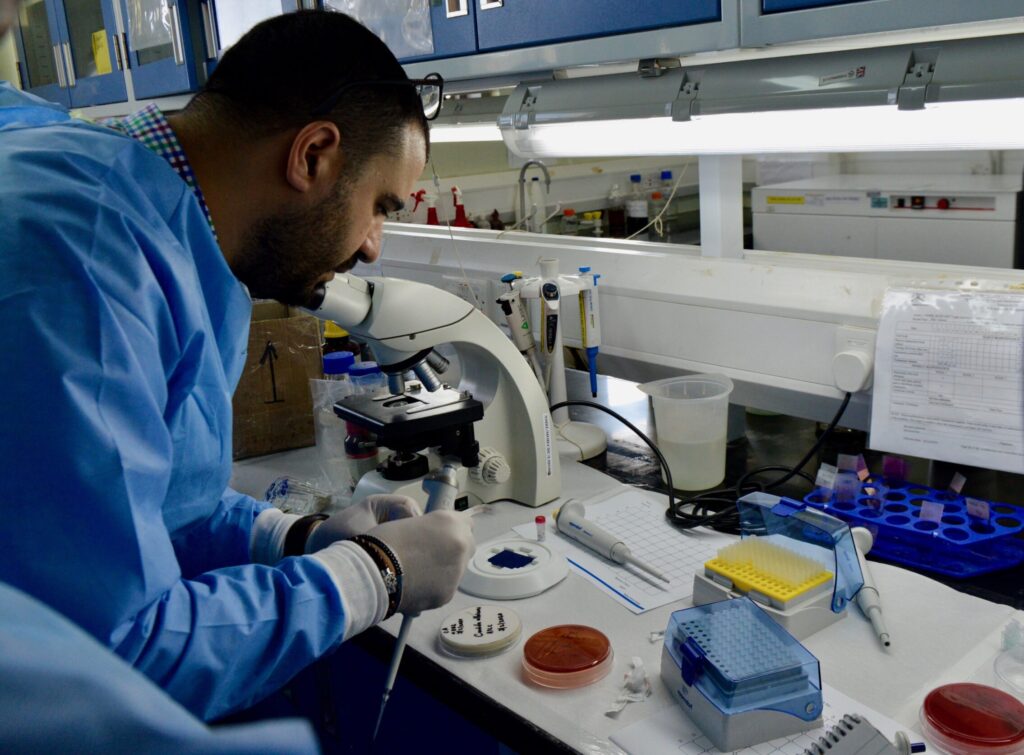
Since 2017, the Fleming Fund has adopted a comprehensive systems-strengthening approach, investing in laboratory infrastructure, human…
The Fleming Fund brings evidence and people together to encourage action against drug resistance for a healthier world.
We support low- and middle-income countries to generate, share and use data to improve antimicrobial usage and encourage investment in antimicrobial resistance (AMR).
Studies & Reports
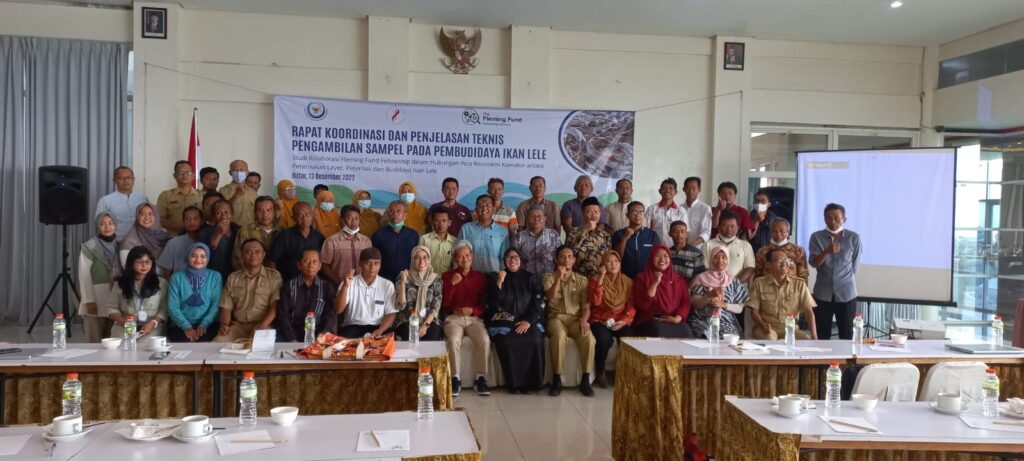
From Studies & Reports, The political economy of AMR surveillance systems in LMICs , Date: 12/12/2025
Fleming Fund country grantees completed political economy analyses to inform implementation in phase 2 of the programme, 19 of which are…
Events
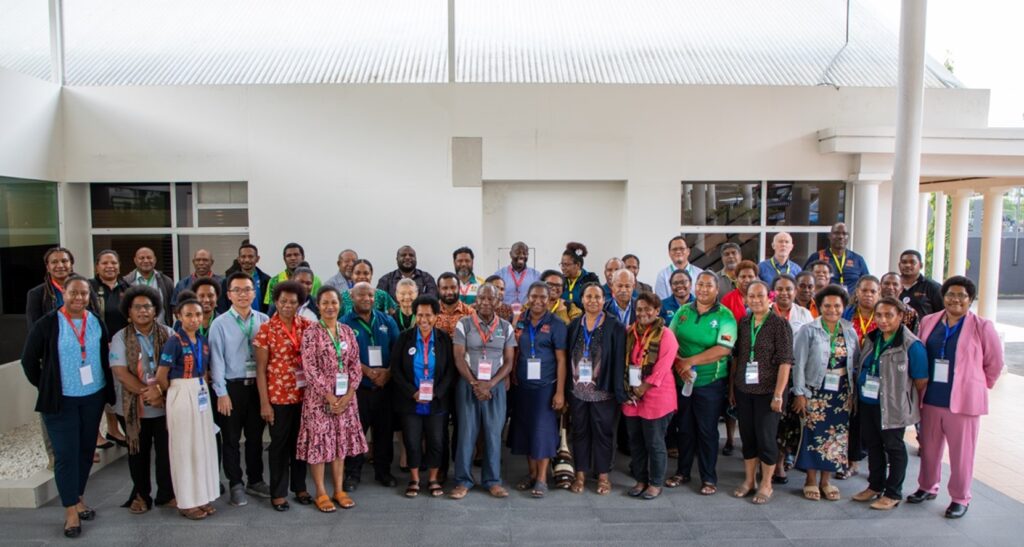
From Events, Papua New Guinea advances toward sustainable AMR surveillance , Date: 13/12/2025
Papua New Guinea (PNG) has taken an important step toward securing the long-term sustainability of its antimicrobial resistance (AMR)…
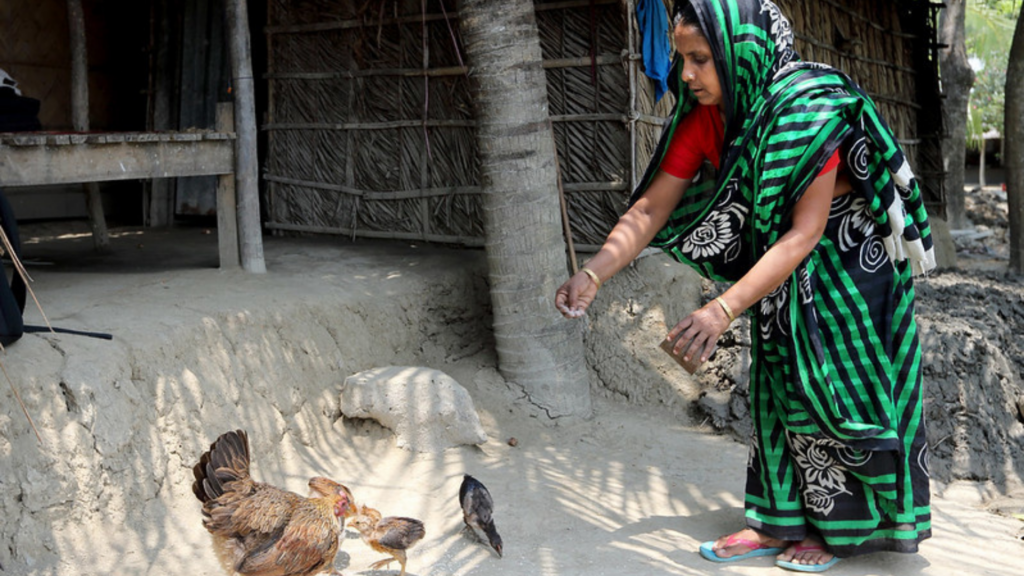
The latest paper from the Fleming Fund Regional Grant team, GEAR up, argues that current action on AMR fails to adequately address the…
- 26
- Active Country Grants
- 20
- Active Regional Grants
- 321
- Supported surveillance sites
- 30
- Countries we work in (more than)
- 170
- National Action Plans developed with Fleming Fund support
- 155
- Countries have supplied data on use of antimicrobial medicines in animals to WOAH database
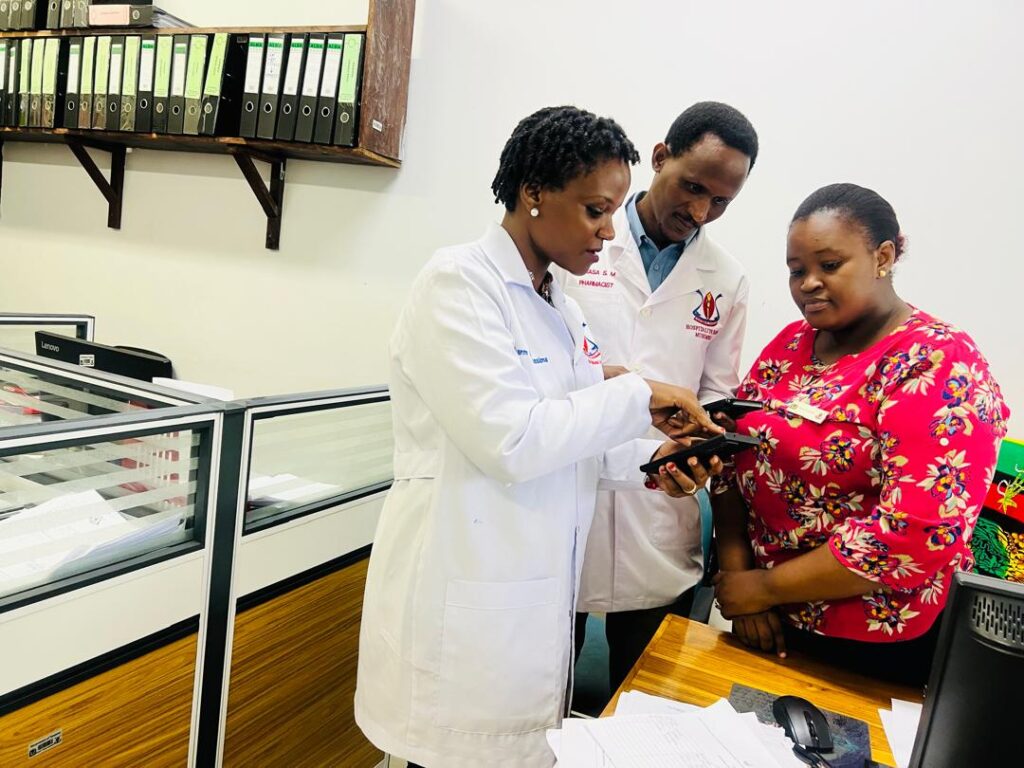
The irrational use of antimicrobials is a global challenge. Prescribing the right drugs, in the correct dosage with clear instructions, is…
Studies & Reports
From Studies & Reports, Sustaining AMR surveillance beyond the Fleming Fund , Date: 02/12/2025
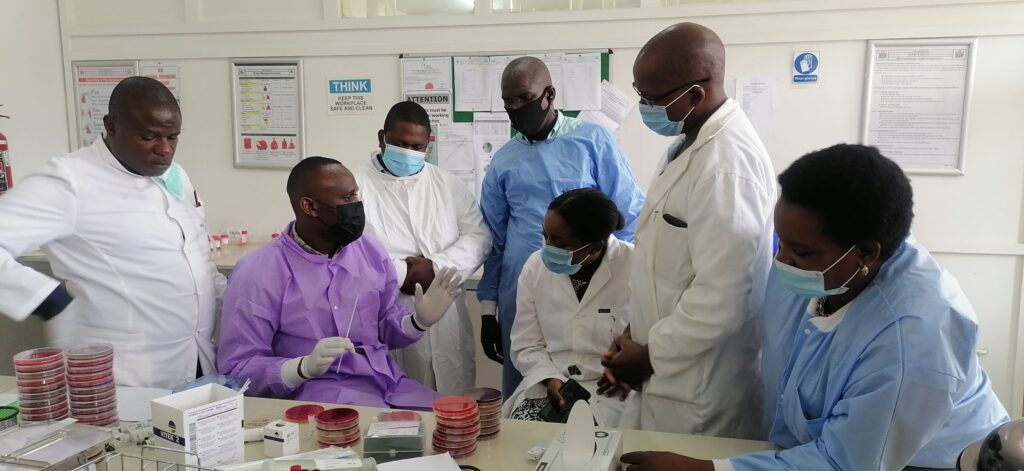
This report provides analysis and lessons from implementing the Fleming Fund, drawn from a series of country case studies, to support…
Events
From Events, Act Now: 'Protect Our Present, Secure Our Future' – WAAW 2025 , Date: 18/11/2025
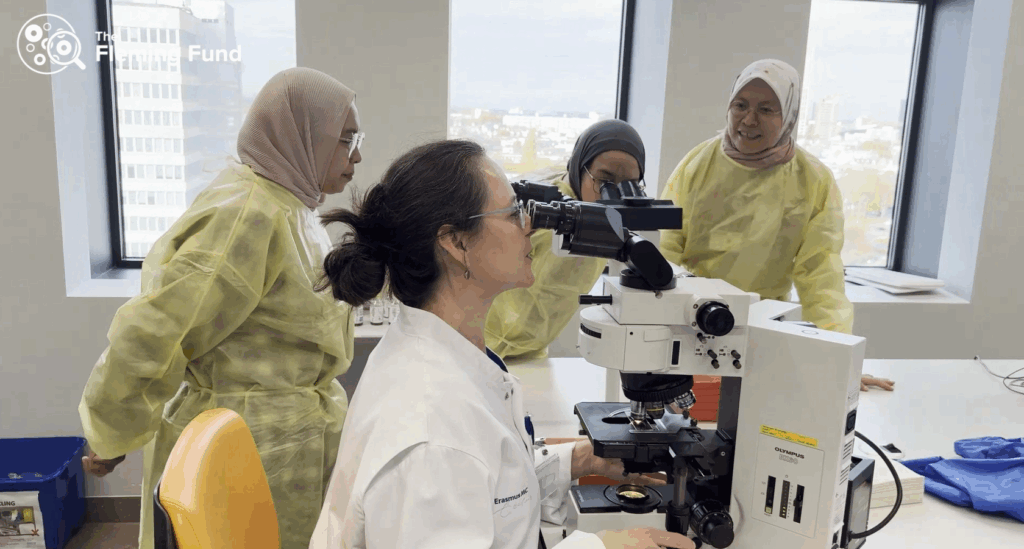
To mark this year’s World Antimicrobial Awareness Week (WAAW) theme, we ask some of our partners what the Fleming Fund has meant to them.
Studies & Reports
From Studies & Reports, Value of surveillance: Fleming Fund Change Story , Date: 30/10/2025
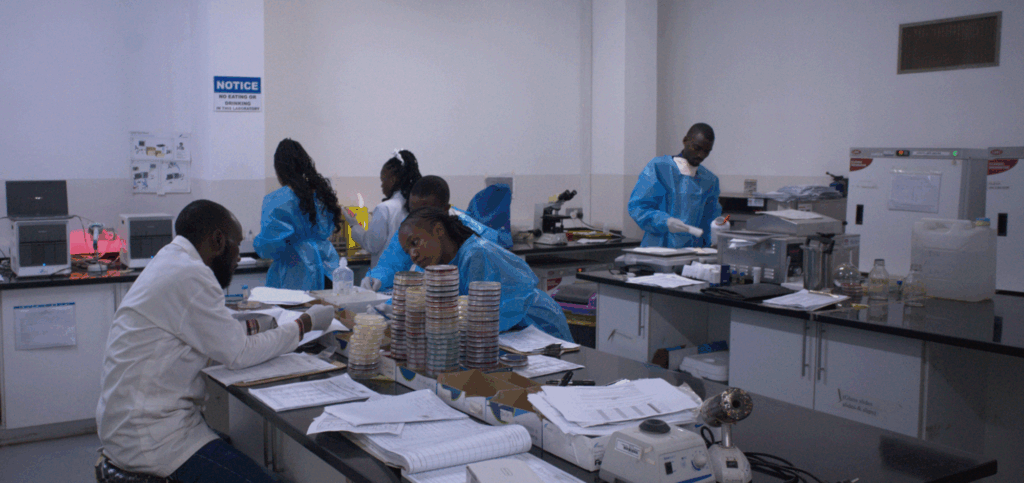
The Fleming Fund was created in 2015-16 to strengthen national AMR surveillance systems in low- and middle-income countries (LMICs) and…